Custom Design · Fabrication · Firmware · Art
When we say custom, we mean it.
Most shops install what’s in the catalog. We design and build what isn’t — from interactive live-generated LED and projection art that reacts to human input, to the mounts, cases, energy conversion, and machined metal that make a system survive the field. Hardware, firmware, software, and fabrication, in-house.
Every discipline we run eventually hits the same wall: the part you need doesn’t exist, the tool doesn’t do the thing, the enclosure isn’t rated for the weather. This is the page where we stop waiting on a catalog and make it ourselves — the design-and-build layer underneath everything else.
Art that reacts to the room
For Dreamscapes, we built immersive, interactive art experiences out of upcycled materials — rooms that respond to the people moving through them. Arduinos and sensors, wired across a network we installed, trigger Resolume and Ableton to generate visuals and sound in real time as guests explore the space. The technology disappears into the art: presence-sensing fires a projection-mapped scene the instant someone steps in, and a voice or a footstep becomes part of the show.
The same build stays protected and efficient. Security cameras and door sensors watch the installation, and to keep a weeks-long exhibit from burning power around the clock, Arduinos and Domoticz shut the whole thing down at night — lighting, projectors, servers, all of it — and bring it back up in the morning. Immersive when it’s open, dark and asleep when it’s not.
Production you can walk inside — built from upcycled materials, and smart enough to turn itself off at night.Dreamscapes · interactive art · energy-aware by design
A command center that runs on sunlight
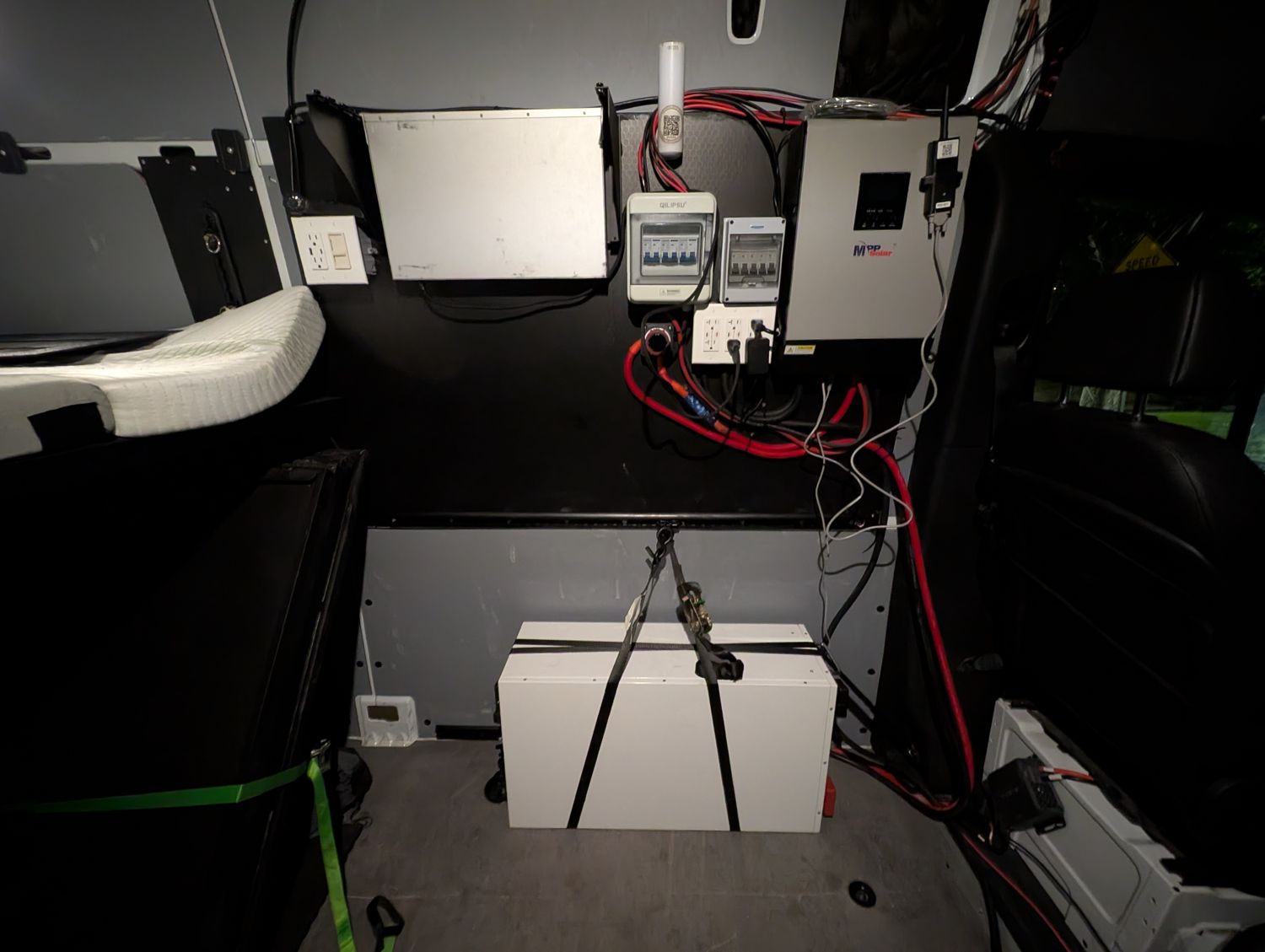
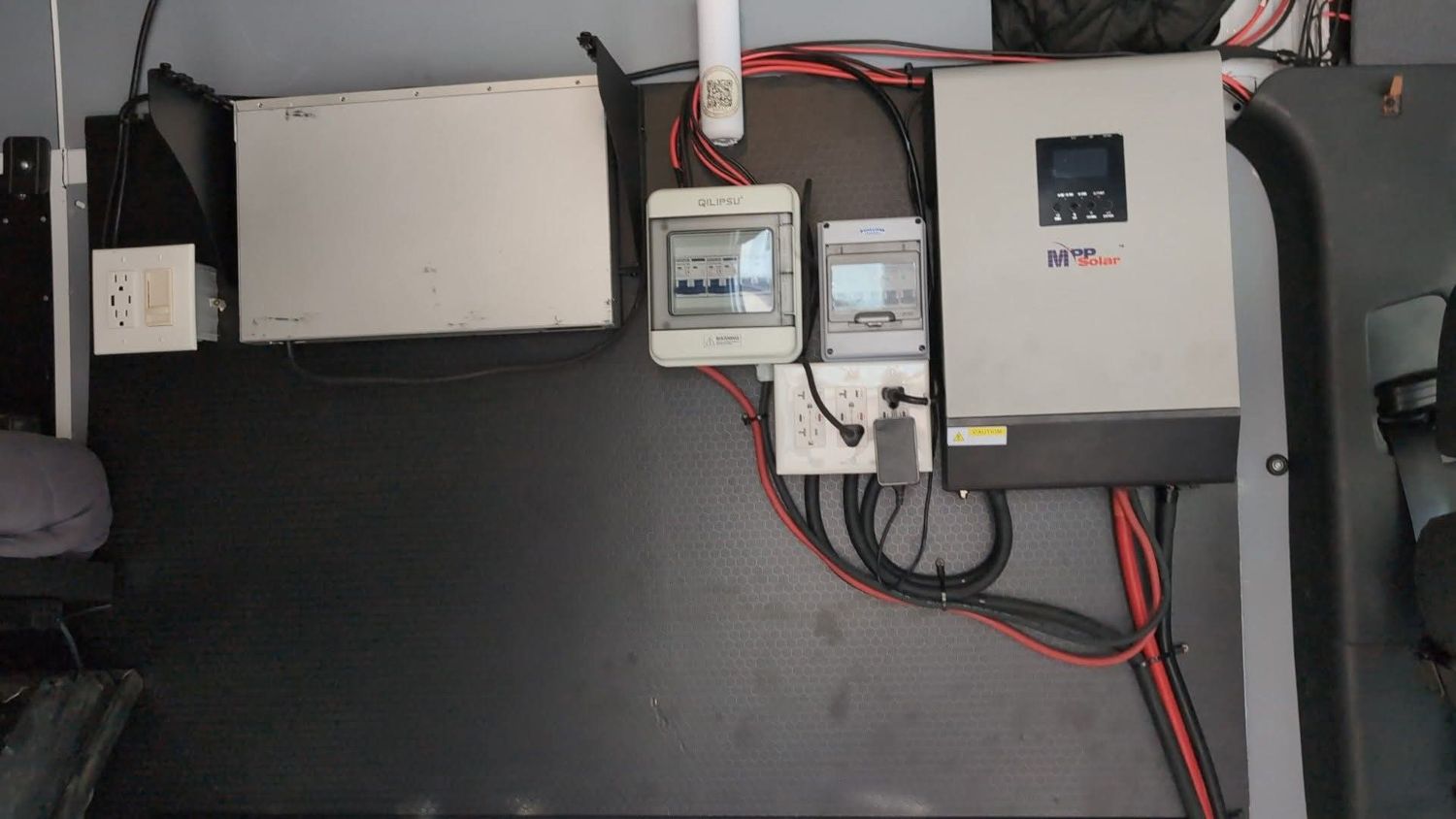
We designed and built an off-grid, work-hybrid van from the shell up — a mobile command center engineered to deploy and monitor networks in remote regions where there’s no service and no power, and do it sustainably. It starts with the envelope: top-rated insulation that deflects heat and makes every watt of cooling go further. A custom-designed solar array covers the roof and feeds a 48-volt system built on LiFePO4 cells for safety and efficiency — boosted and converted cleanly to 120V AC to run real air conditioning and a full rack of networking electronics on nothing but the sun.
Every choice is an efficiency choice. A diesel heater handles heat instead of burning battery on resistive electric warmth. Alternator chargers top the pack off while driving, so the van harvests energy from every resource available — sun, motion, and shore power alike — and it even parks north-facing to cut solar gain and help the cooling win. Inside, a raised low-profile bed keeps a person rested while leaving a cavern of storage underneath for hauling gear to the next field. A workshop, a command center, and a bedroom — one build, engineered to waste nothing.
Deploy a network where there’s no service and no power — and sleep there while it runs on the sun.Off-grid work-hybrid van · 48V · LiFePO4 · solar + alternator harvest
The battery that watches itself
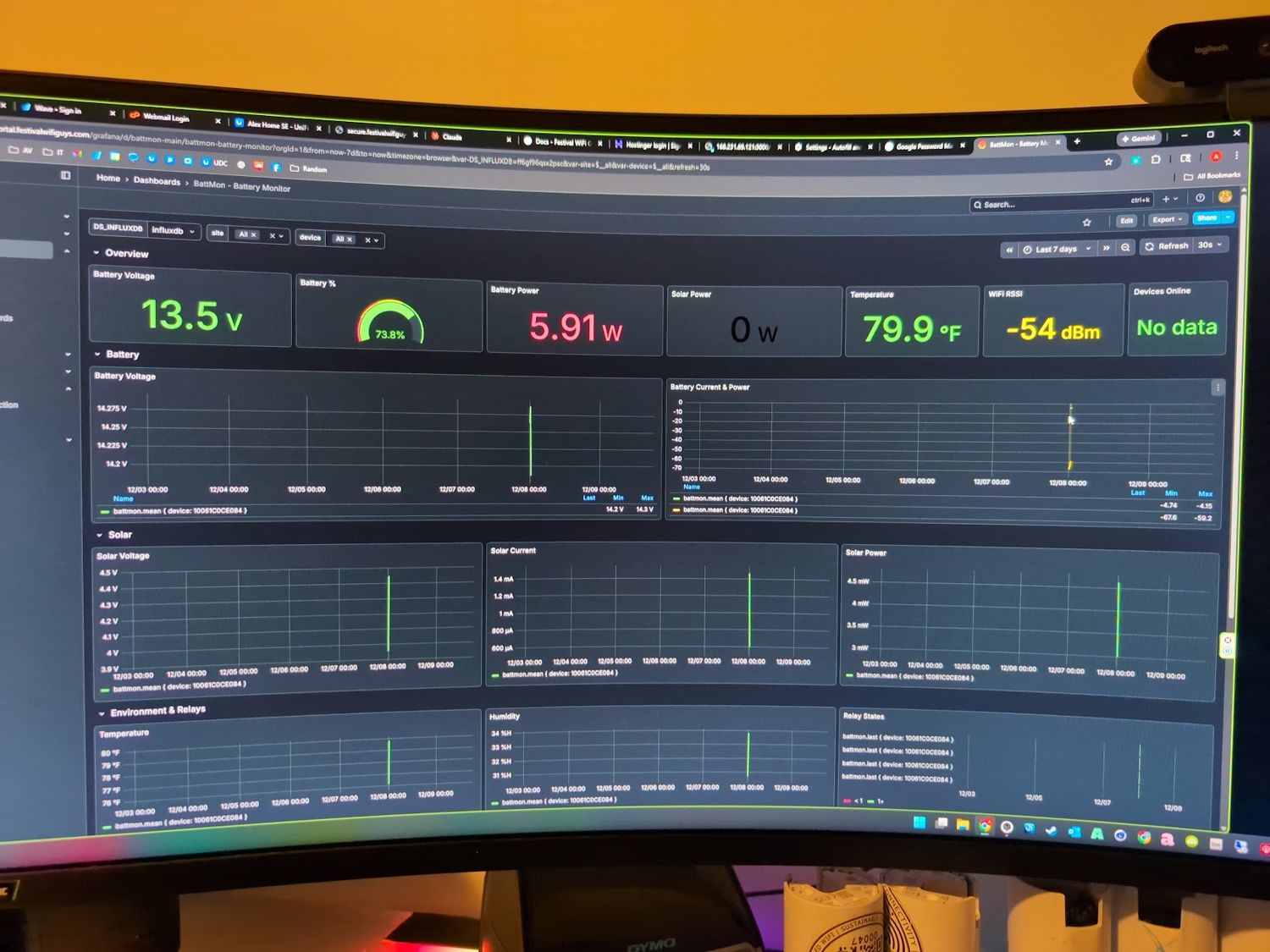
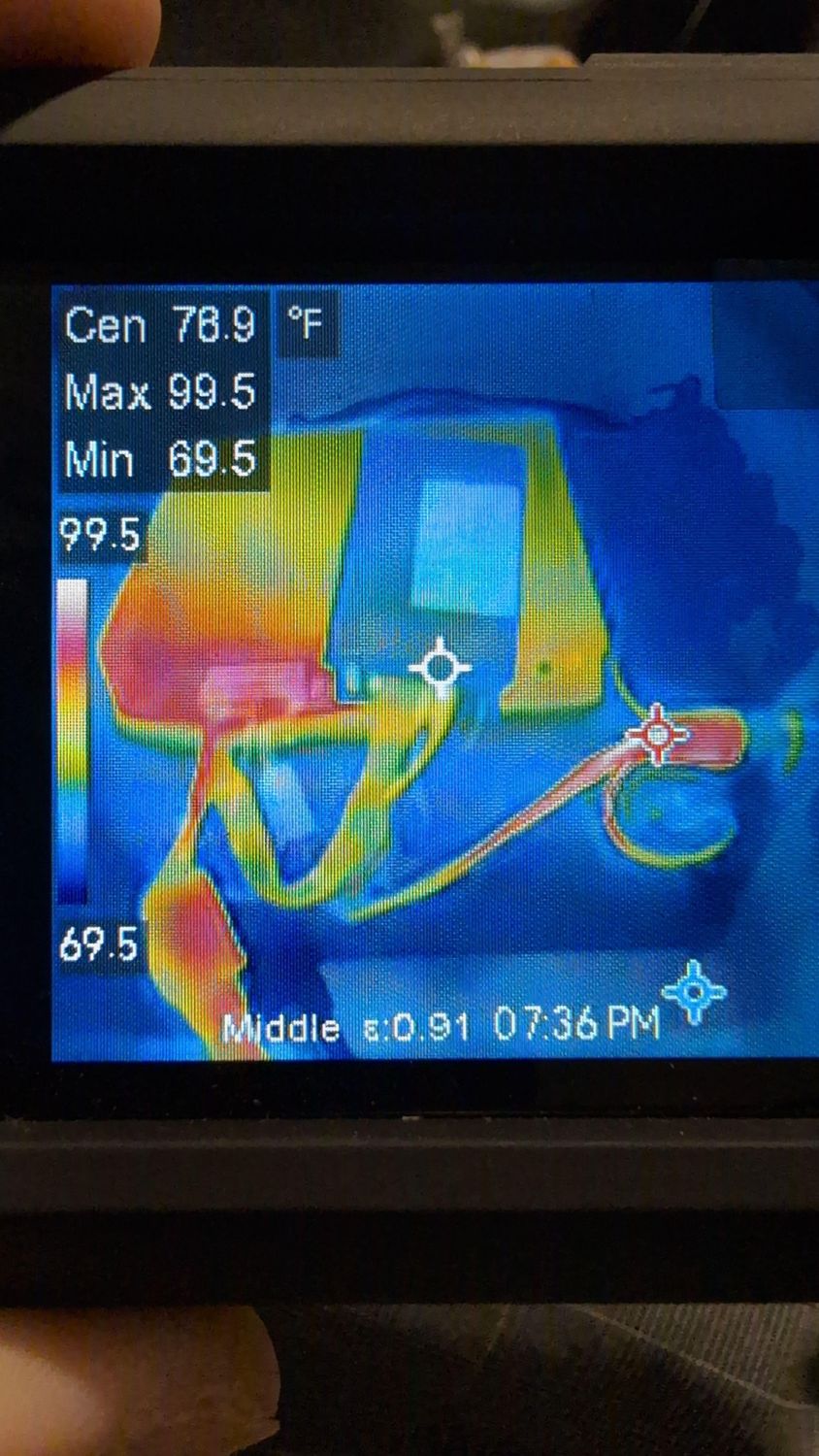
BattMon is our own custom hardware: an Arduino-based monitor with WiFi and Bluetooth connectivity that watches battery and solar input on every deployed unit in real time. When something goes wrong, it doesn’t just report it — it acts. Onboard relays cut the battery or the solar the instant a fault appears, and a suite of environmental sensors — temperature, humidity, and a gyroscope — catch an over-temp, water getting into the enclosure, or a unit that’s been tipped over or dropped, and trigger a safe shutdown before it becomes a fire or a failure. Deployed hardware that protects itself.
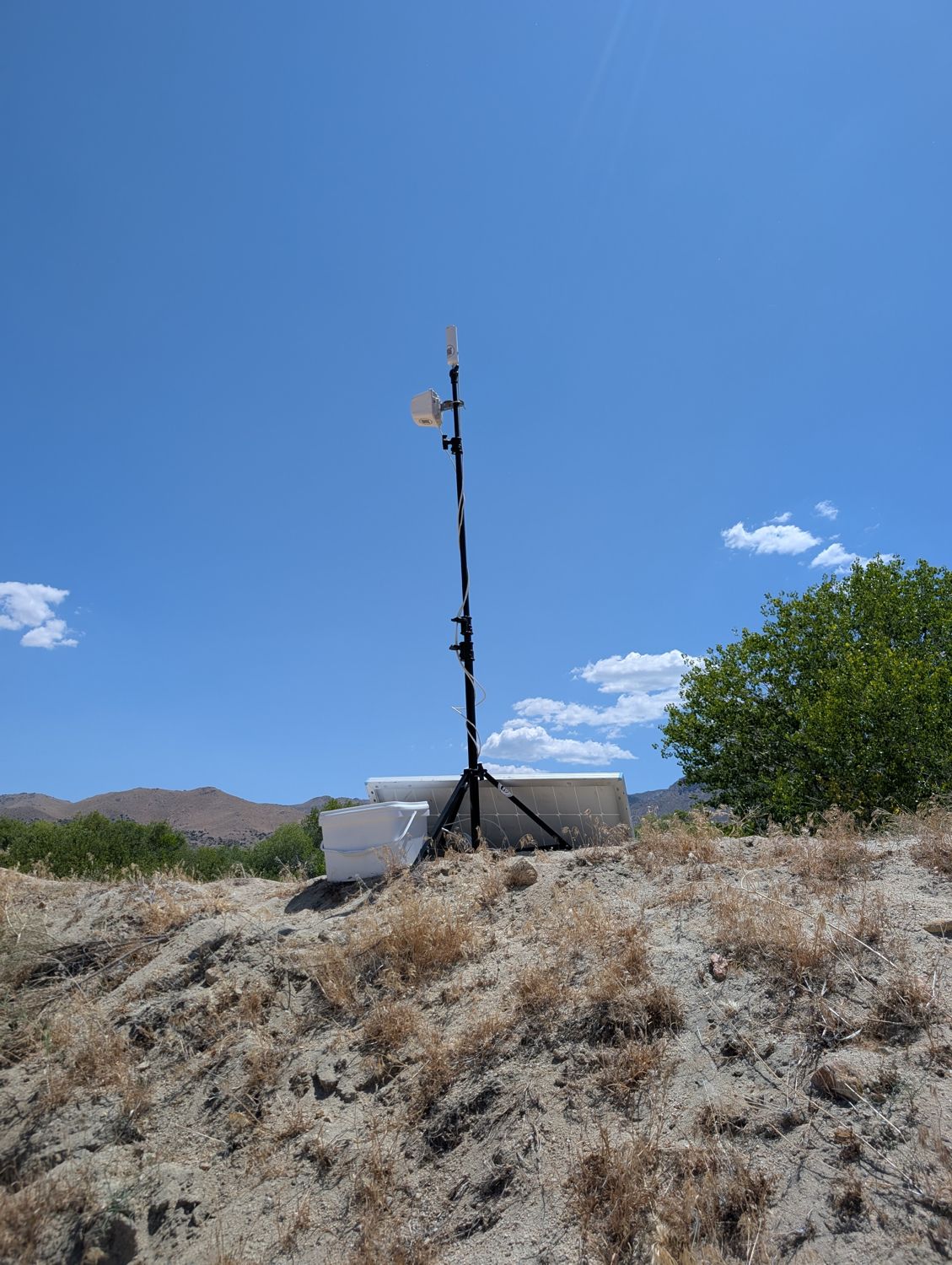
For alerting, BattMon rides the very WiFi the deployment is serving, pushing every metric to the cloud. But WiFi dies when the main battery does — so we built in a fallback: a Meshtastic LoRa radio and a tiny backup battery keep BattMon awake and transmitting even after the pack it’s watching goes dark, sending stats out over long-range mesh. Every unit doubles as a relay for nearby users of the network, and an MQTT gateway at our main tower ties it all together — letting festival guests communicate site-wide while every unit’s telemetry reaches our monitoring platform. Power that fails safe, and tells you the moment it does.
When the battery finally dies, the monitor stays awake — and radios the news out over the mesh.BattMon · Arduino · WiFi + BLE + Meshtastic LoRa · fail-safe telemetry
Modeled, printed, machined, made to fit.
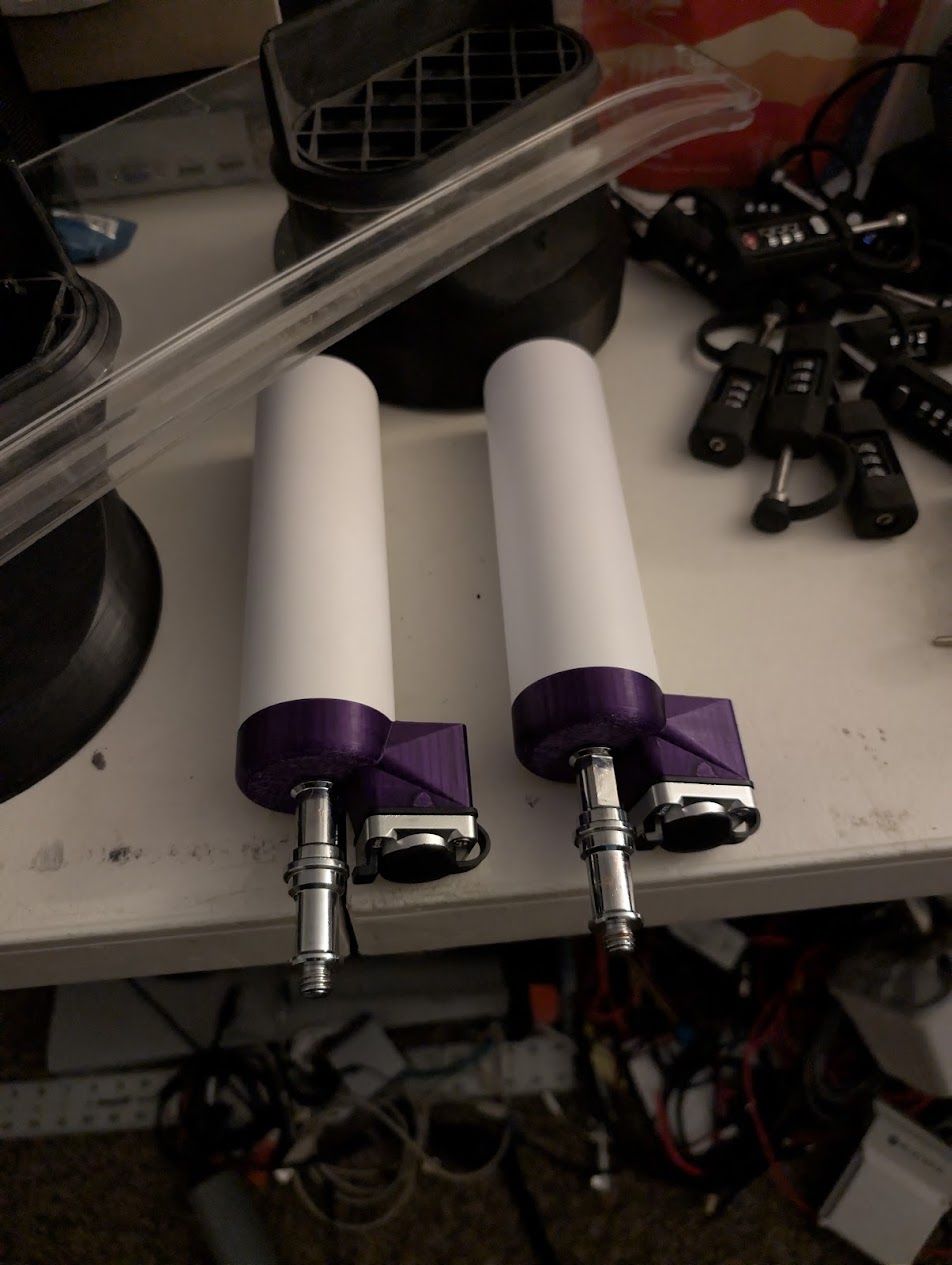
When the part we need doesn’t exist, we design it in Blender and make it — 3D-printed on-site, or laser-cut when it has to be metal.
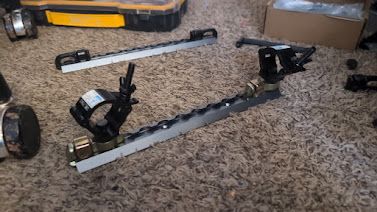
Access-Point Mounts
Custom-modeled mounts that make festival-WiFi access points deploy and strike in minutes instead of hours — the difference between a clean load-out and a midnight scramble.
- Designed in Blender
- Field-serviceable
- Fast setup + teardown
- Made for the road
Mesh Node Cases
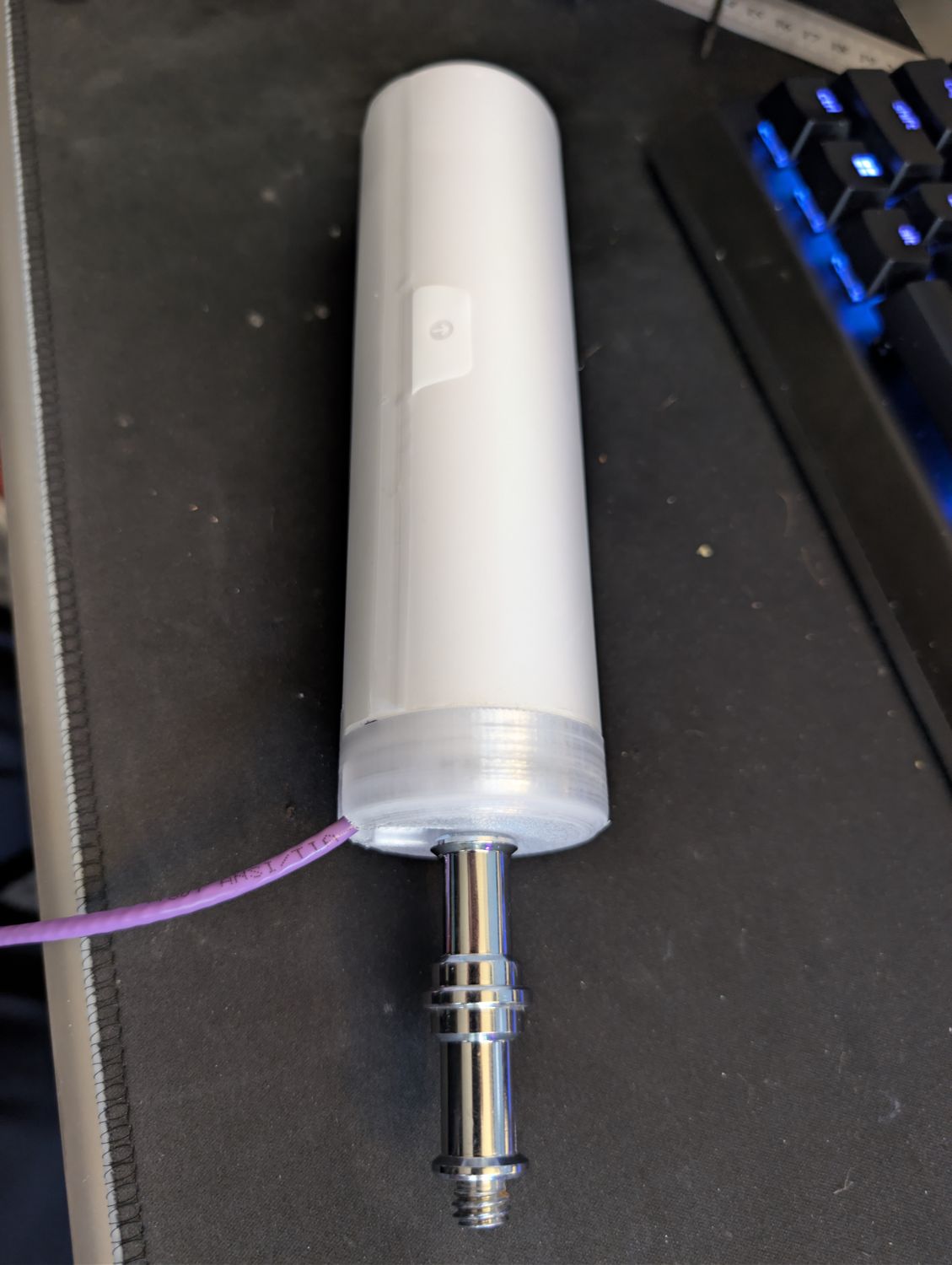
Custom enclosures for Meshtastic mesh-radio nodes — sized for the hardware, the antenna, and the abuse of being strapped to a mast or a backpack in the middle of nowhere.
- Purpose-fit housings
- Antenna + port cutouts
- Rugged, repairable
- Printed to spec
RF Survey Tools
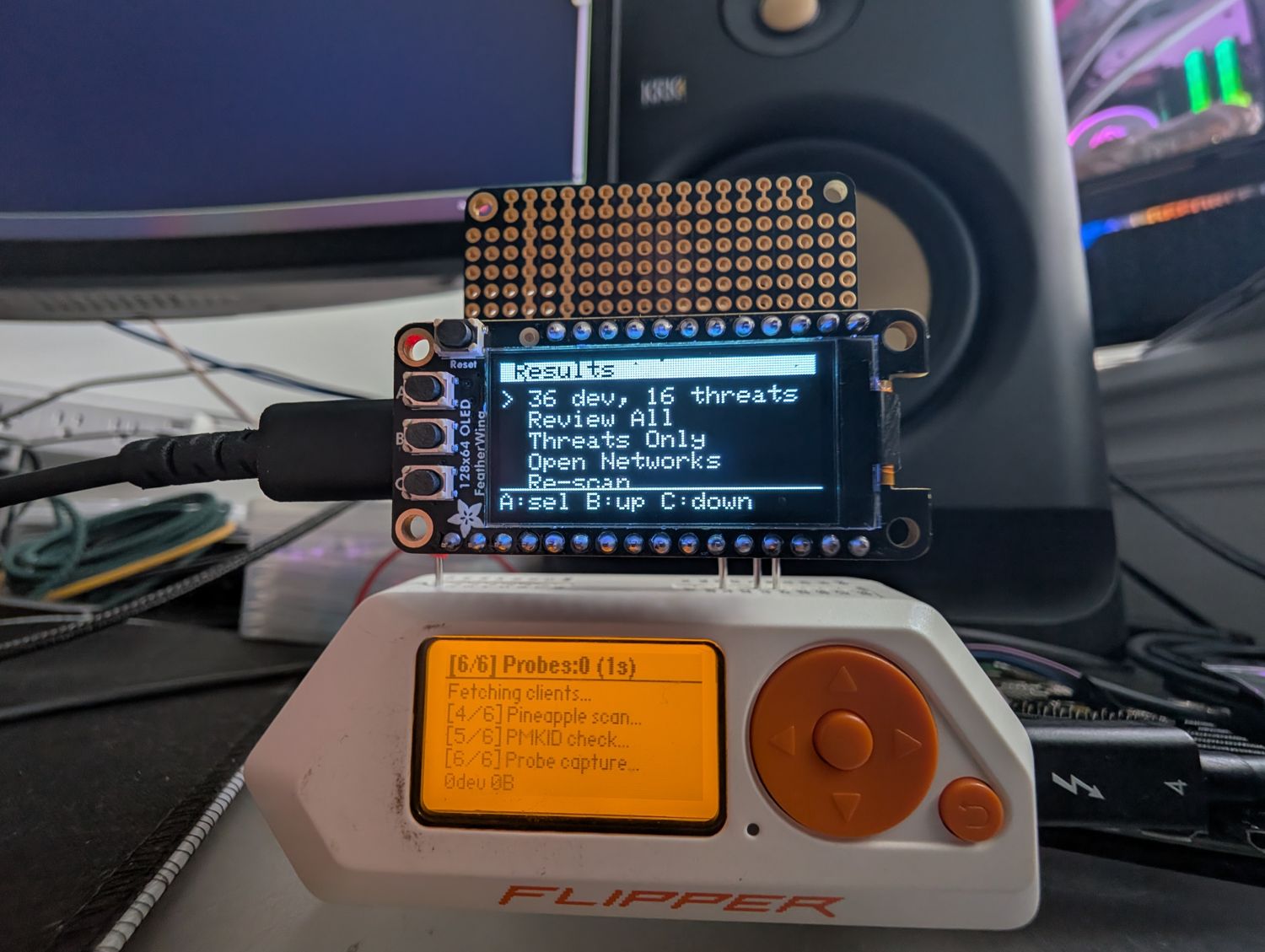
Purpose-built diagnostic hardware that sweeps WiFi, Bluetooth, and sub-GHz spectrum to spot rogue or unwanted devices on a site — commissioned by a client, designed and programmed in-house.
- Custom Arduino builds
- WiFi + BT + sub-GHz sweep
- Client-commissioned
- Programmed in-house
Battery Hardware
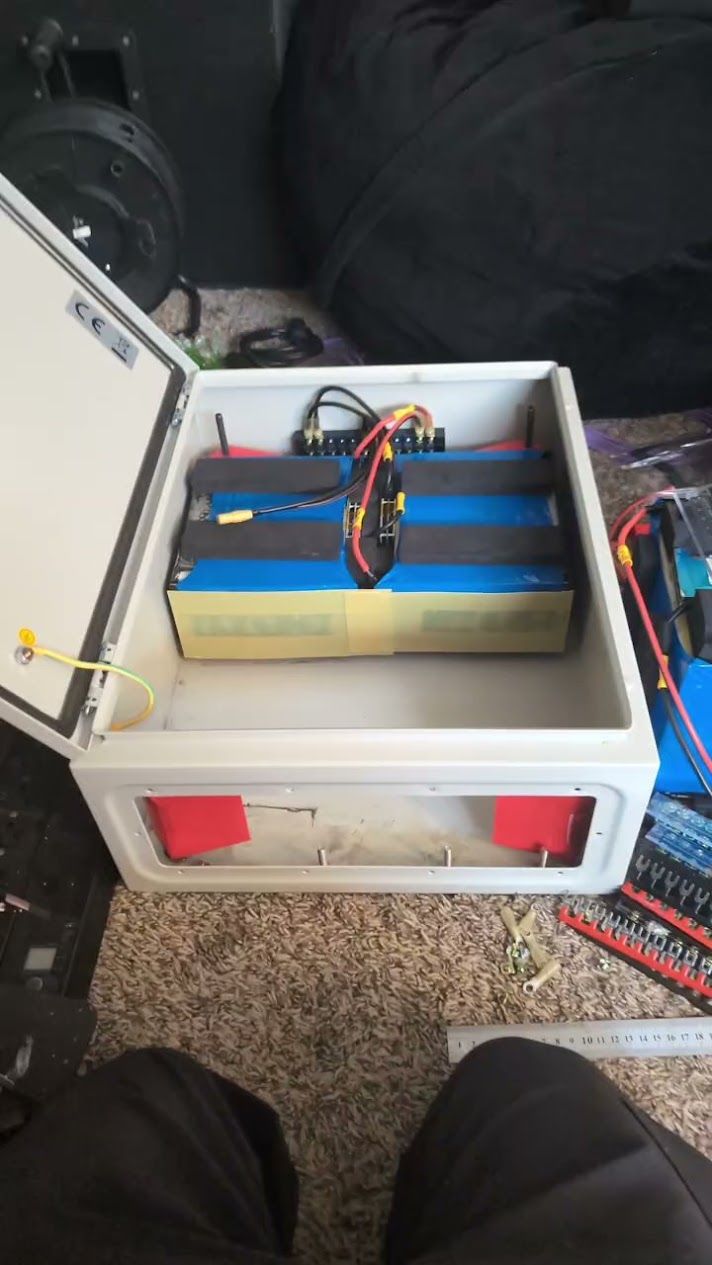
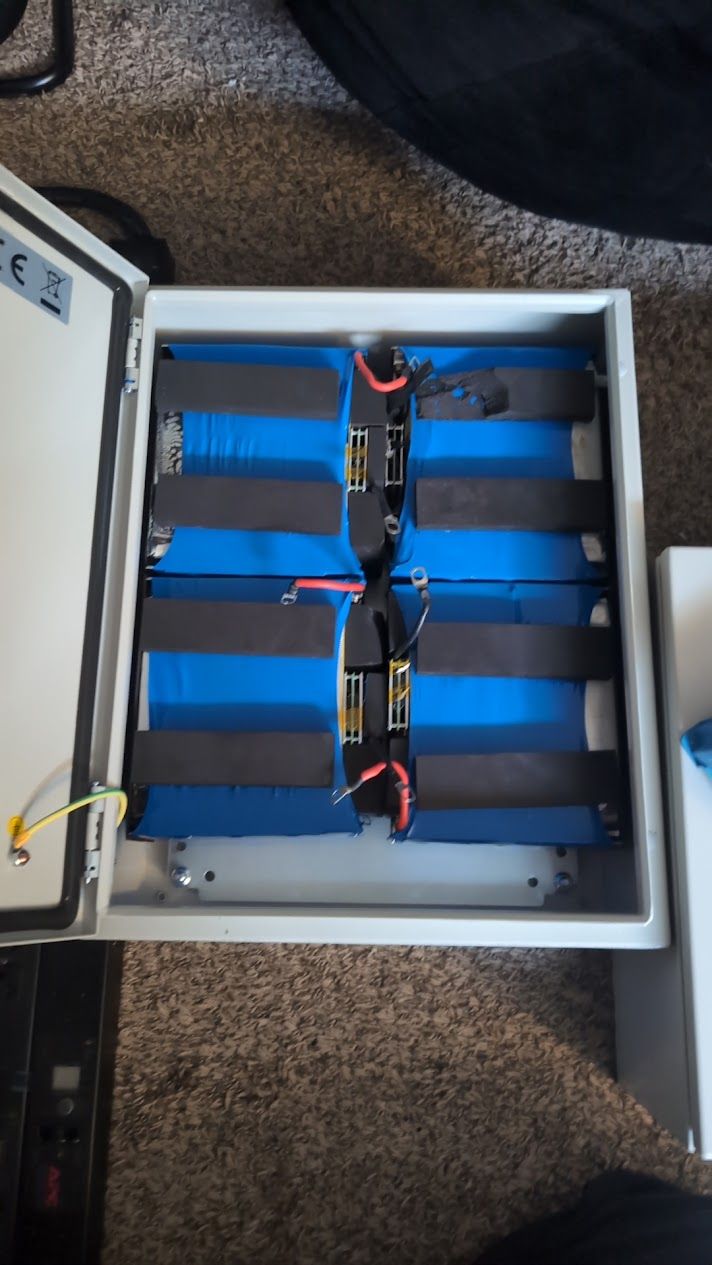
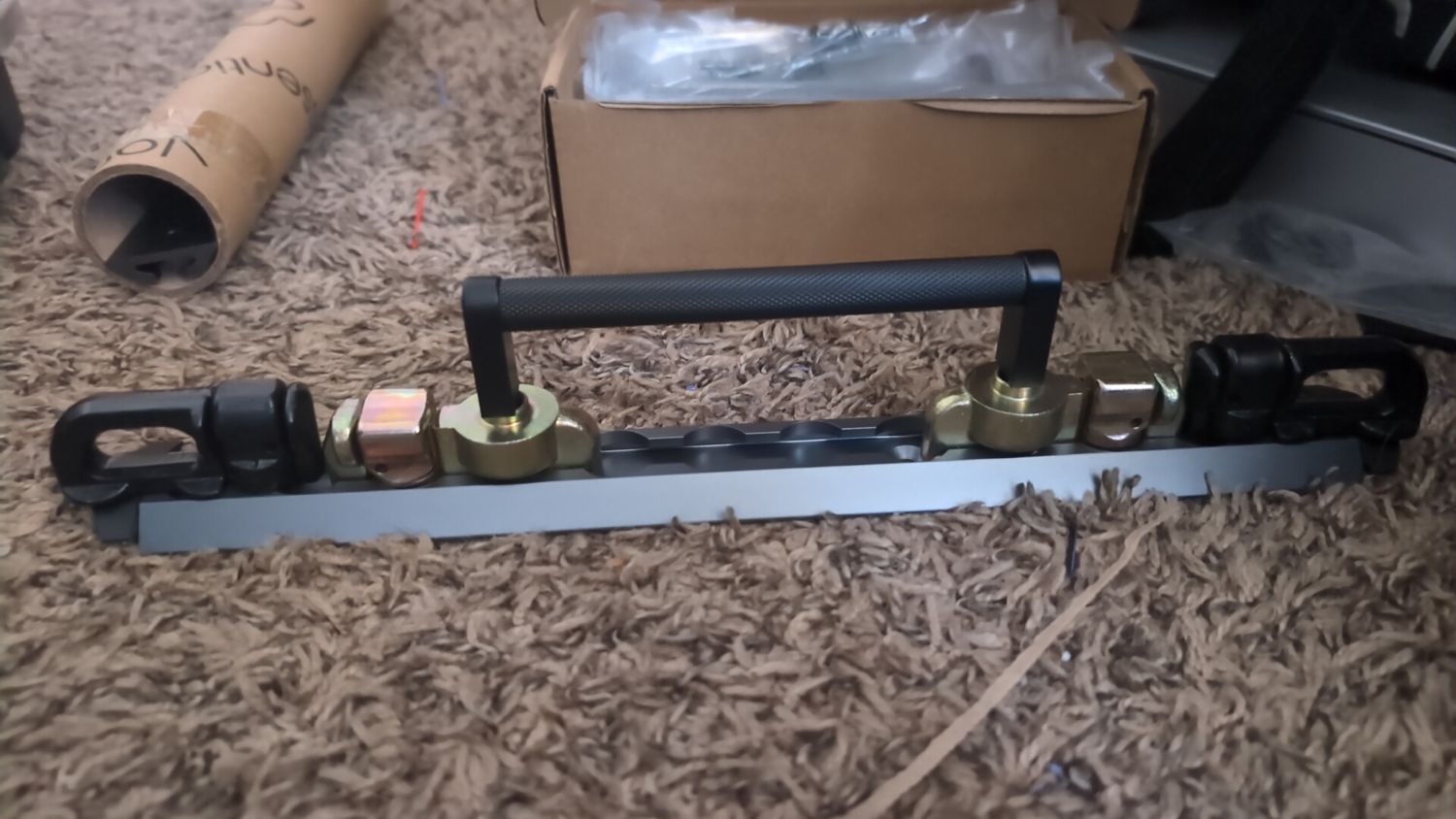
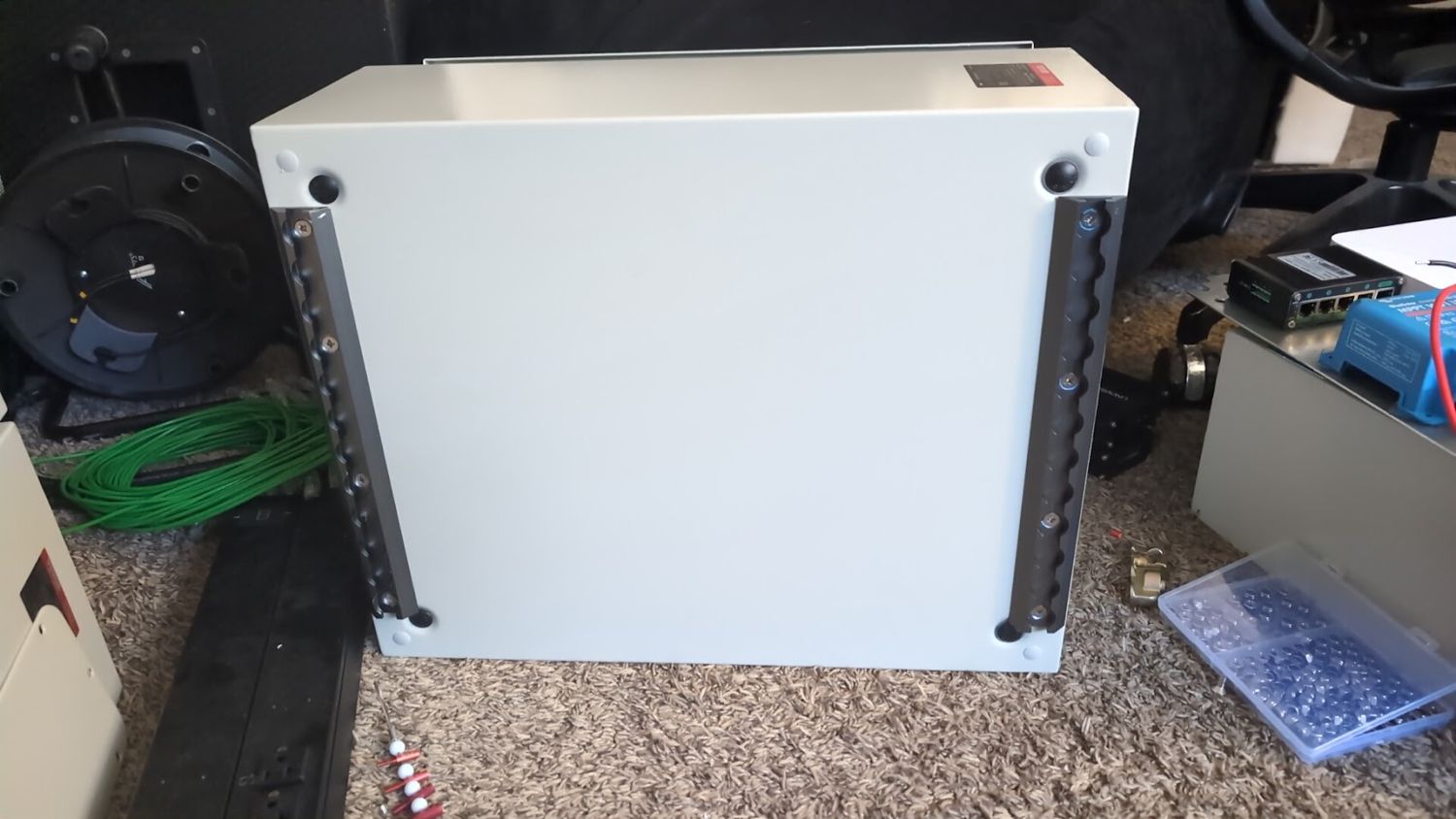
Custom-fabricated parts that hold battery cells safely and securely in place — because an off-grid power system that rattles itself apart on a bumpy road isn’t a power system.
- Custom retention parts
- Safe cell mounting
- Vibration-ready
- Built into the case
Power that’s engineered, not guessed
Behind every off-grid deployment is math nobody sees. We built our own web-based design tools to run solar, battery, and load calculations — modeling efficiencies and losses across the whole system — so we can spec nodes that are sized to last, not sized to die on the second cloudy day. Panel to port, every watt is accounted for before anything gets built.
- Solar, battery & load modeling — real numbers for real conditions, not a salesman’s guess.
- Efficiency & loss analysis — we design out the waste before it costs you runtime.
- Sized to last — nodes engineered to carry the dark stretch and keep going.
- Our own tools — software we wrote because the off-the-shelf version didn’t exist.
Built by hand, made to be maintained.
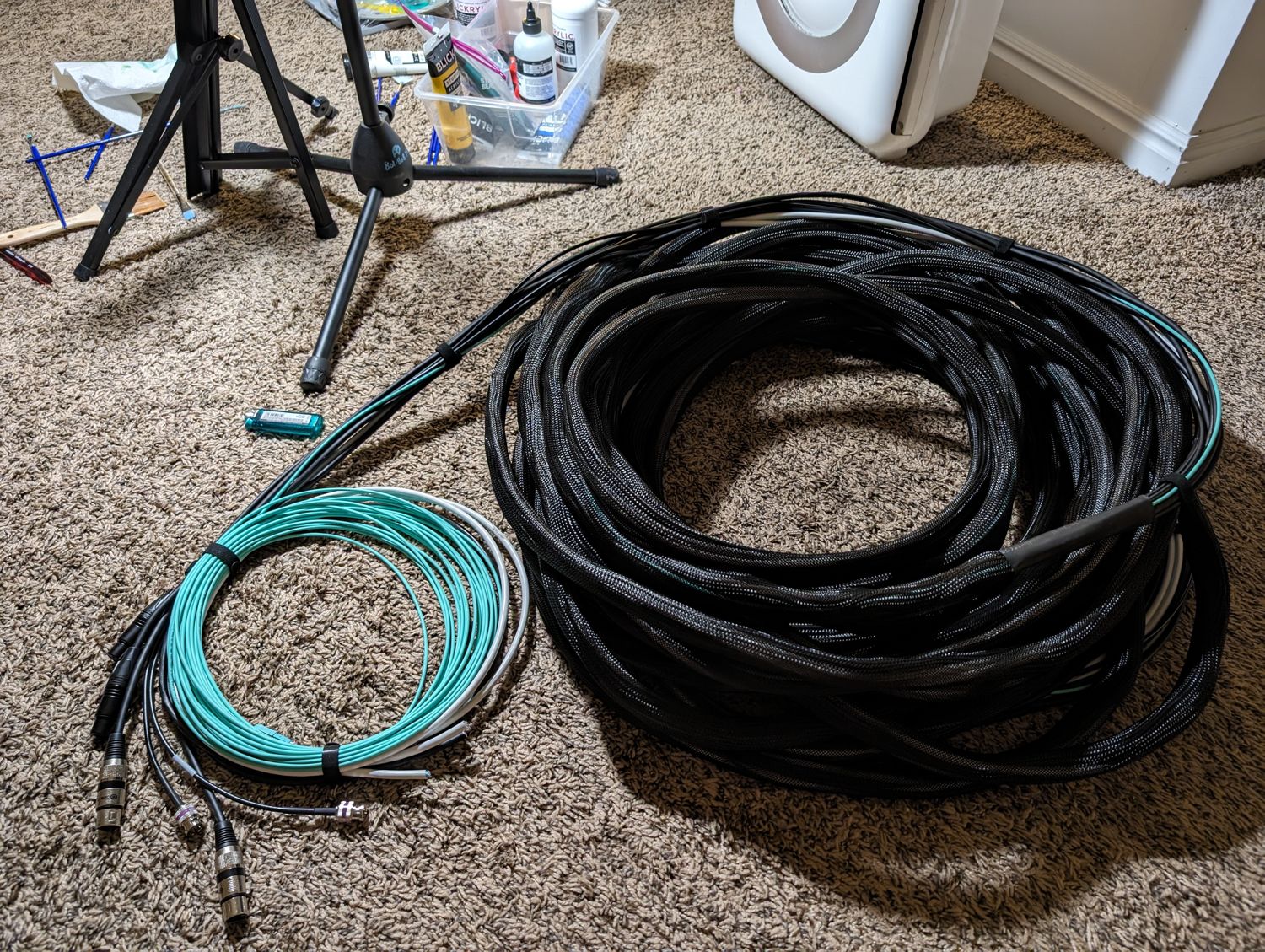
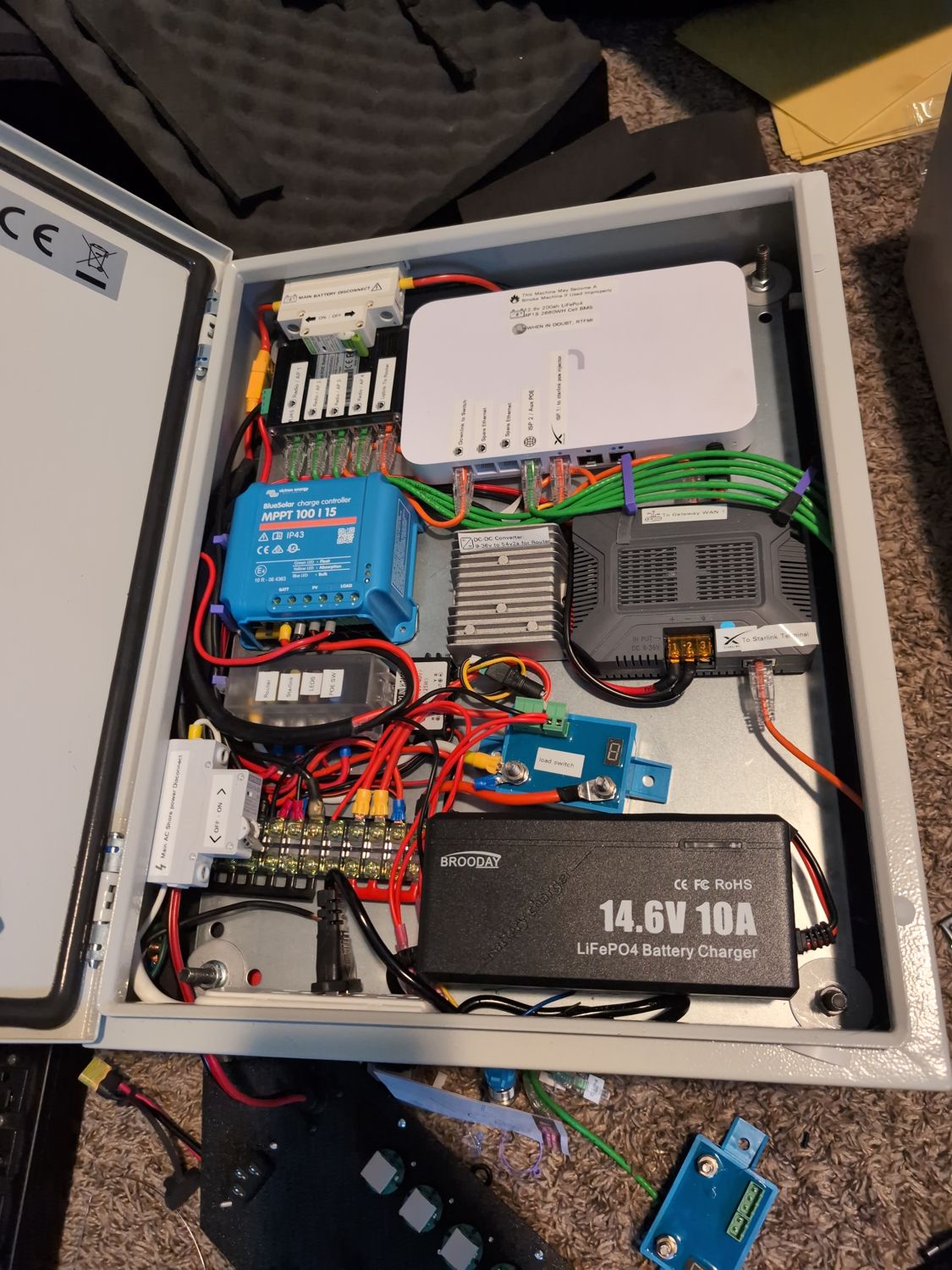
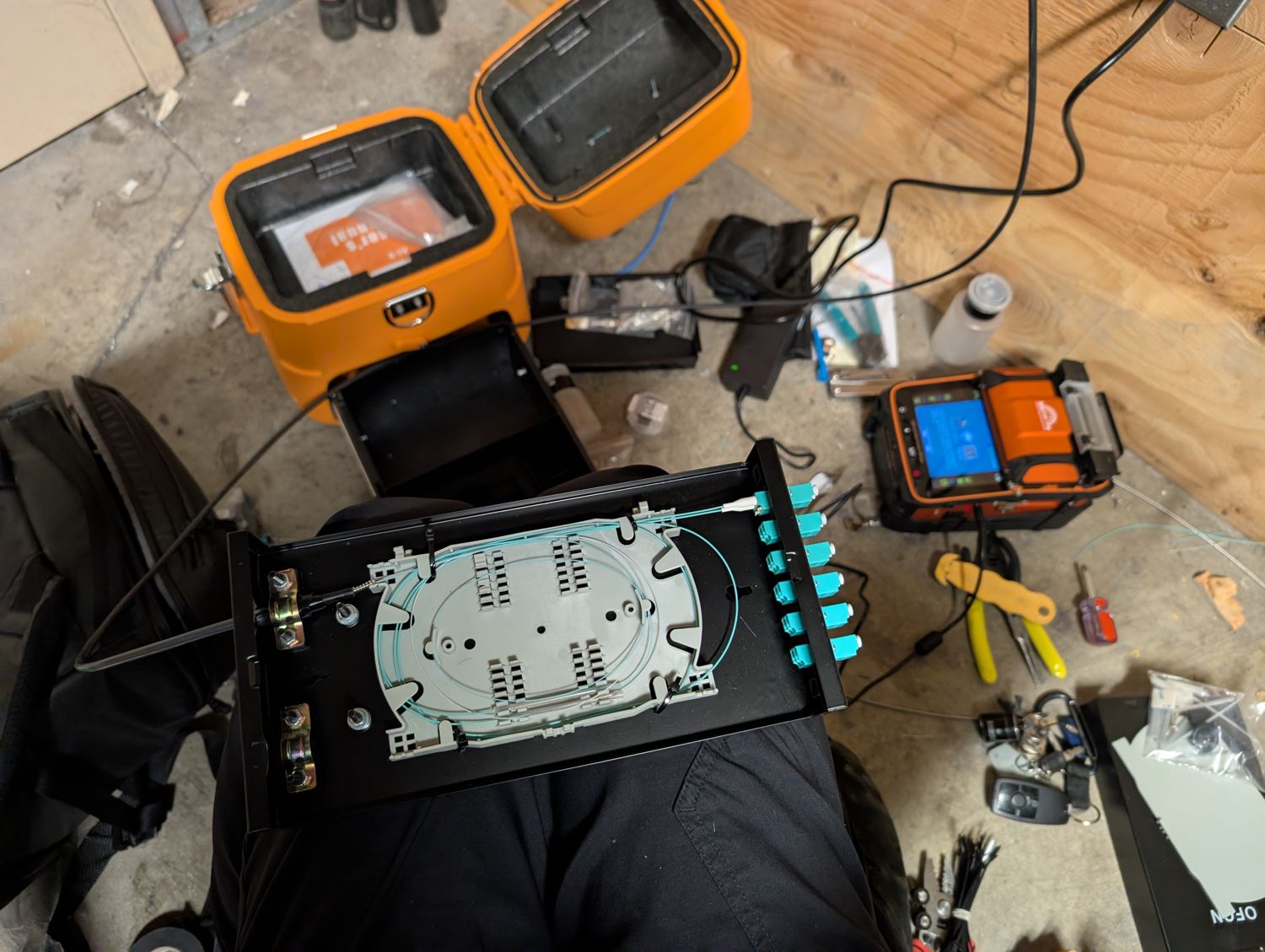
Once the design is right, we assemble the electronics and batteries into the cases ourselves — soldered, wired, labeled, and documented. What ships to the field isn’t a black box; it’s something a future tech can open, read, and service without a phone call.
Gear picked to be maintained, not just installed. That standard doesn’t stop at the network — it goes all the way down to the board.
Down to the faceplate
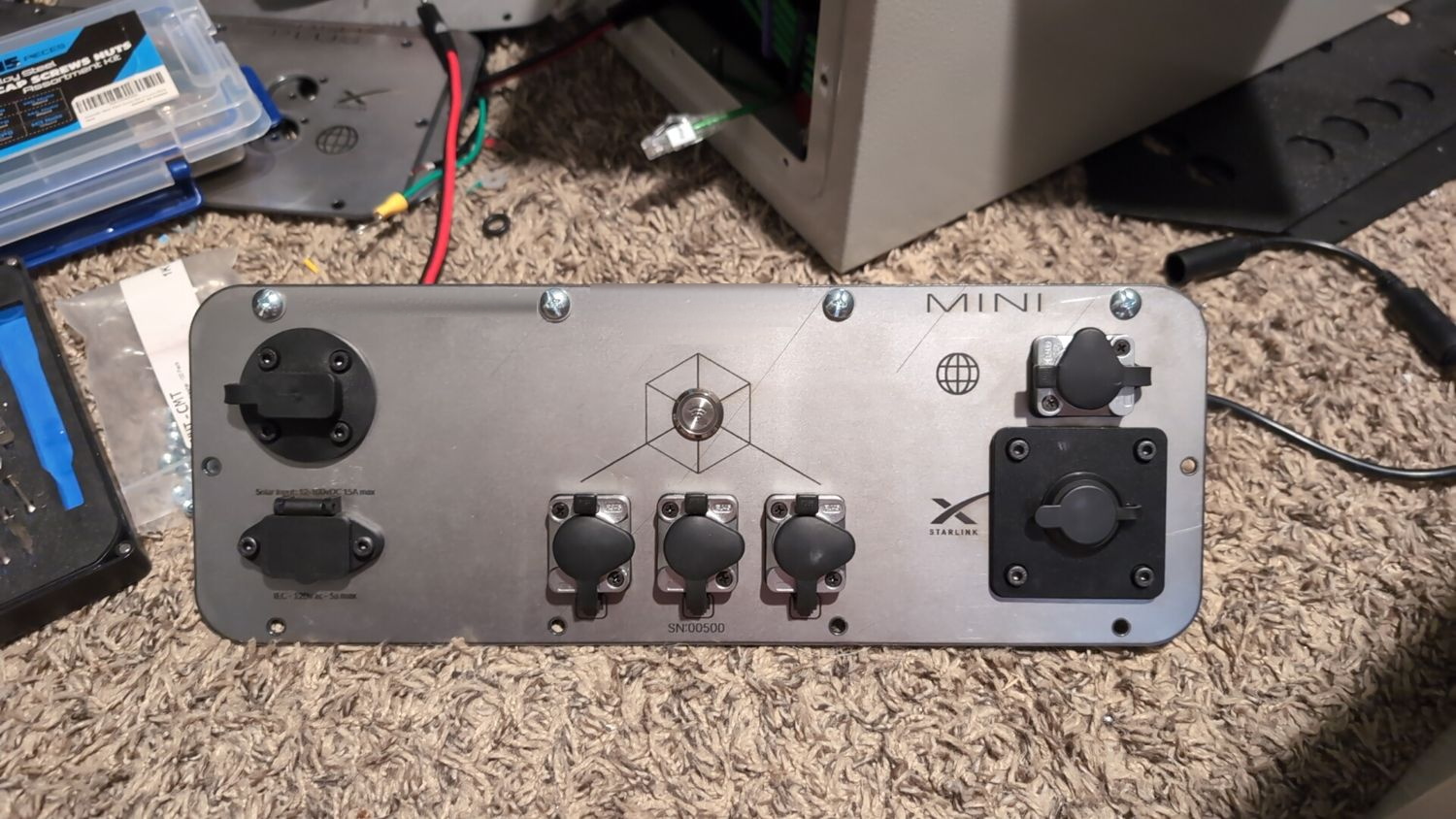
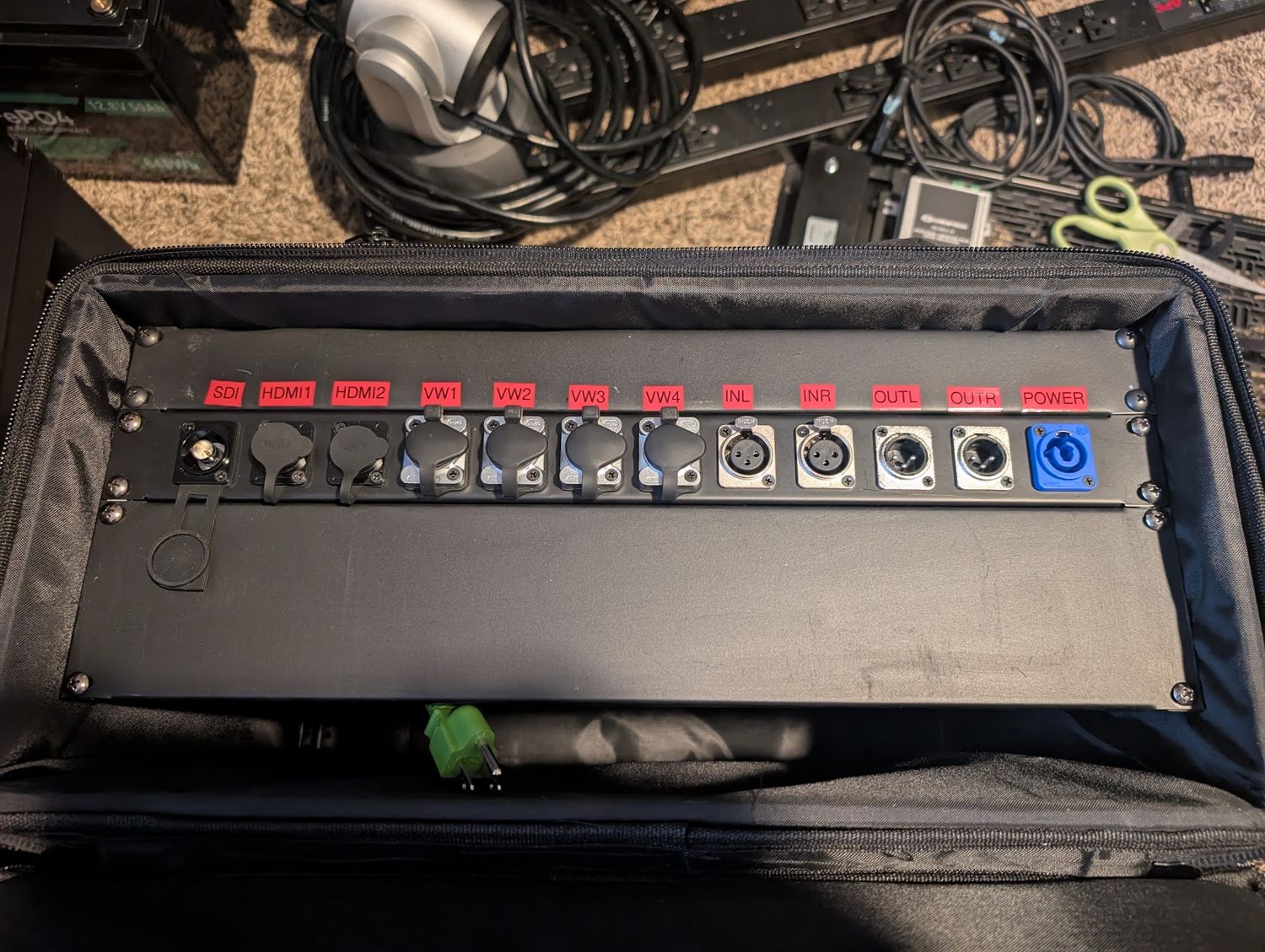
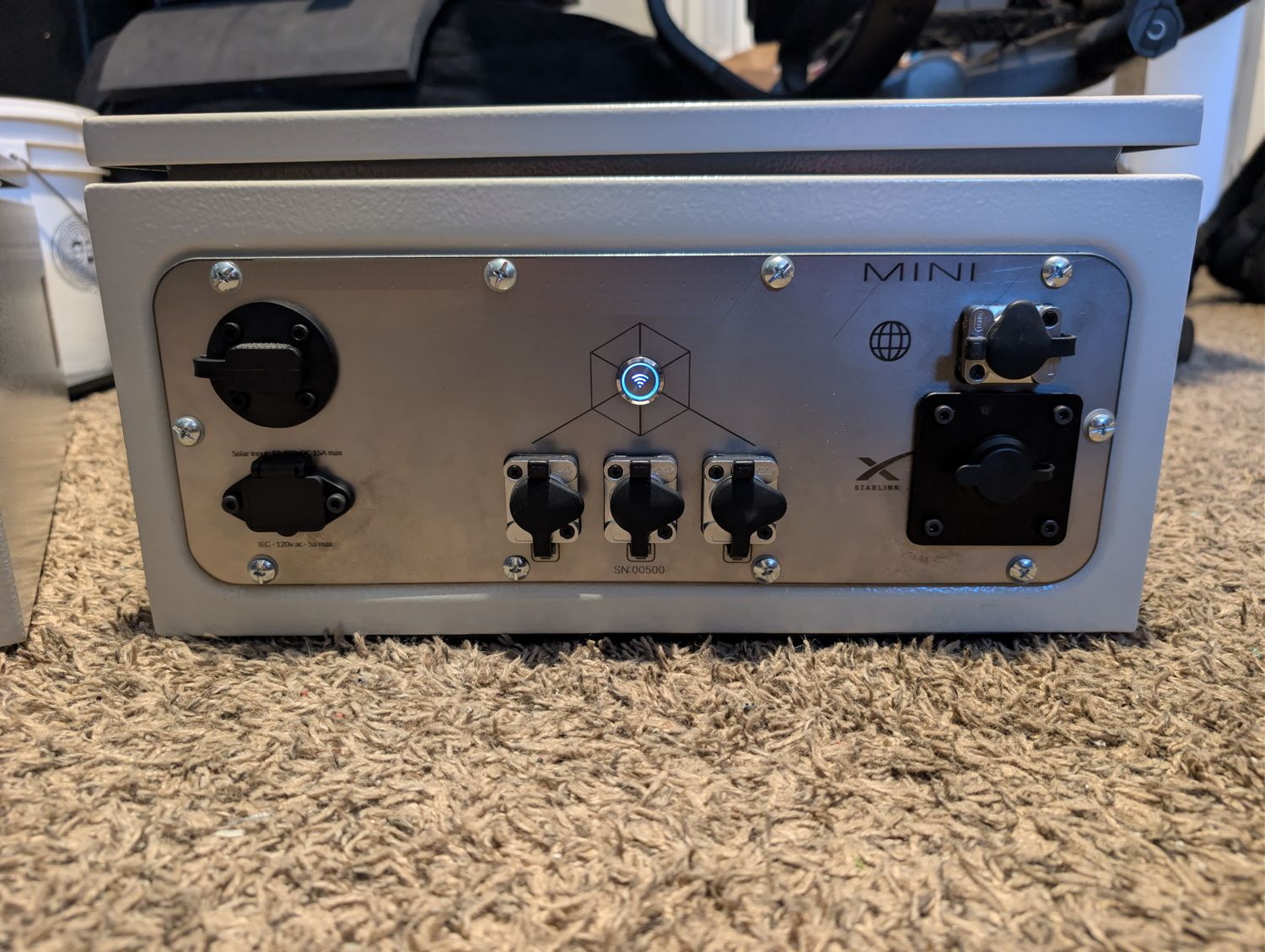
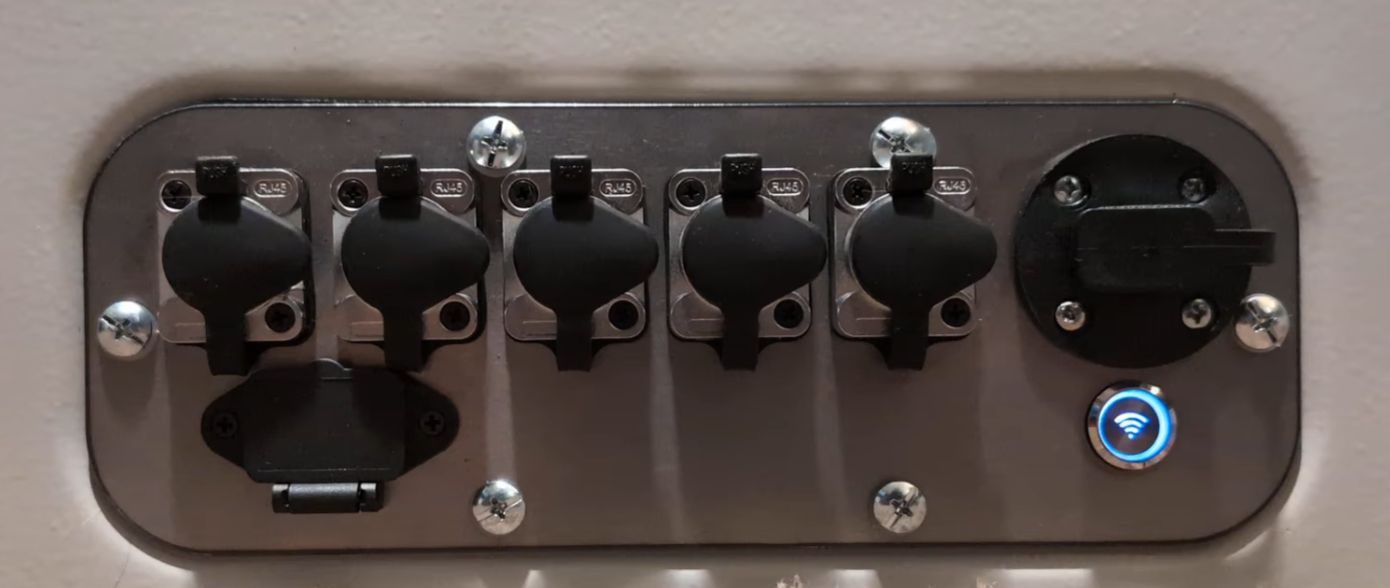
We have access to advanced laser manufacturing for metals — cutting and engraving custom metal faceplates for the waterproof panel ports on our cases. It’s the last two percent most shops skip: a clean, sealed, labeled interface that survives the weather, the road, and the years. When the whole system is custom, the connector plate is too.
Built by hand, shown without a filter.